

Yesterday, the FTC and 22 state attorneys general sued Amazon, alleging the company secretly inflated its ad auction prices for seven years and extracted more than $20 billion from 1.2 million advertisers, over 500,000 of them small and medium-sized businesses.
Lumian works with exactly this segment and we know that this is your very valuable PPC budget Amazon has been playing around with. Here's the real story.
To understand what allegedly happened, you need to understand what you were told was happening. Amazon sold advertisers on a "second-price" auction. The rules are simple. You bid $1.00. The next-highest bidder comes in at $0.50. You win, but you don't pay your bid. You pay one cent more than second place: $0.51.
That design exists for a reason. It lets you bid your true maximum without fear, because competition (and not your bid) sets the price. Amazon told sellers exactly this, on its website, in training videos, in sales presentations. Bid high. You'll only pay what's needed to win.
According to the FTC, Amazon still ran the second-price auction. It computed the fair, competitive price. Then, in a second step advertisers never saw, it calculated something internally called a "soft reserve price" and if that number was higher, it charged you that instead. Amazon's soft reserve was allegedly calculated after the auction, once Amazon had already seen everyone's bids including your maximum.
One internal document quoted in the complaint describes an "invented auction participant." The executive running Amazon Ads allegedly called the final price a "proxy 2nd price that we calculate." Another internal file labeled it, with impressive candor, a price with "a surcharge hidden in it."


Amazon charged Sponsored Products advertisers their own full winning bid close to 80% of the time. The auction you were bidding into wasn't a second-price auction which means every "safe" maximum bid you set was a price you were actually likely to pay.
And per the complaint, the rollout was deliberate. Soft reserves appeared in Sponsored Brands in 2018, Sponsored Products in 2019, Display by 2023. Internal teams allegedly tested how far prices could rise before advertisers noticed. When advertisers didn't react, prices went up again. When they asked questions, the complaint says they got false answers.
Amazon rejects all of it. But sellers shouldn't wait for a verdict.
Amazon runs the shelf, the auction, the pricing, the reporting, and the data you'd need to check the pricing. You bid into a black box and the box's owner profits from every extra cent you pay. Whatever the court decides, that arrangement hasn't changed and it's exactly why bidding "on trust" was always the wrong strategy.
At Lumian, we treat every CPC as a negotiated cost. We watch actual CPCs against bids, measure incrementality, know their real margin per click.
If this case proves anything, it's that the sellers who audited their numbers were the only ones with a chance of catching it. For over a decade, Amazon told sellers the price was set by your competitors.
Turns out the highest bidder may have been Amazon.
Amazon spent 7 years testing what you wouldn't notice. Start noticing.
In this week’s issue:
Marketplace: Amazon Stock, OpenAI Ads, Amazon CA
Seller Central Updates: Prompt Ad Placements
Twitter/X Spotlight: FTC vs. Amazon
Marketplace Madness
What happened:
The FTC and 22 states sued Amazon on Monday, claiming it quietly inflated the prices sellers pay in its ad auctions for over seven years. The stock dipped about 3% on the news, but nothing changes overnight. This will grind through the courts for years, just like the 2023 antitrust case that doesn't even go to trial until 2027.
Why it matters:
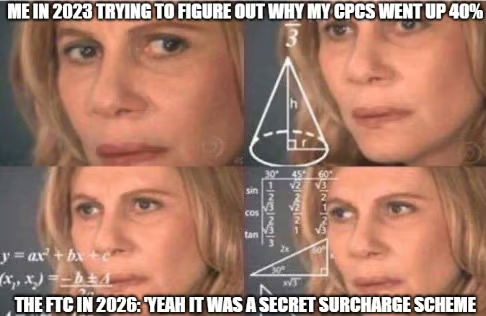
If you've ever felt like your CPCs climbed faster than competition alone could explain, this lawsuit is essentially the government agreeing with you and it's a reminder that the ad auction is a black box you're bidding into on faith. Treat rising CPCs as a structural cost and judge every campaign on true profitability rather than trusting that the auction is pricing you fairly.
What happened:
OpenAI announced that ChatGPT Ads hit a $1 billion annualized run rate less than 200 days after launch. Early advertiser results are all over the map. Early data is mixed which suggests this is a top-of-funnel discovery play right now.
Why it matters:
A billion people use ChatGPT weekly and some of them are asking what to buy. So this channel is worth a small test budget, especially since CPCs are still cheap while the auction is underpopulated. Just go in with eyes open. Attribution is messy (someone sees your ad, asks a follow-up, then converts days later on branded search), so judge it on blended results over a few weeks, not on platform-reported ROAS.
What happened:
Internal Amazon documents reviews by Business Insider show Canadian package volume growing 40%+ through 2029 with Amazon shifting some Canadian sourcing from the US to China "to avoid tariffs." Canada's retaliatory tariffs on US consumer goods start September 8 and they land squarely on Amazon's Remote Fulfillment program, where sellers list on Amazon.ca but ship from US warehouses.
Why it matters:
If you use Remote Fulfillment for Canada, either place inventory in Canadian FBA or reprice for the new landed cost. If Amazon is rerouting it’s sourcing to dodge tariffs, trade policy is now a supply chain line item.
Seller Central Update of the Week
Amazon's Prompt ad placements are expanding. Two things changed:
Sponsored Brands campaigns are now spending on Prompts and not just Sponsored Products.
Prompt volume and spend have more than doubled in recent weeks. Amazon added new metrics (Purchase Click Rate, CVR) so you can finally measure them.
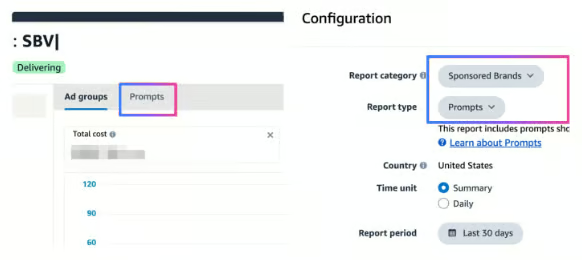
Pull a Prompts report for both campaign types this week.
Report category: Sponsored Brands → Report type: Prompts.
Twitter Spotlight
Meme Therapy
How did you like this week's newsletter?
Best,